About this climb
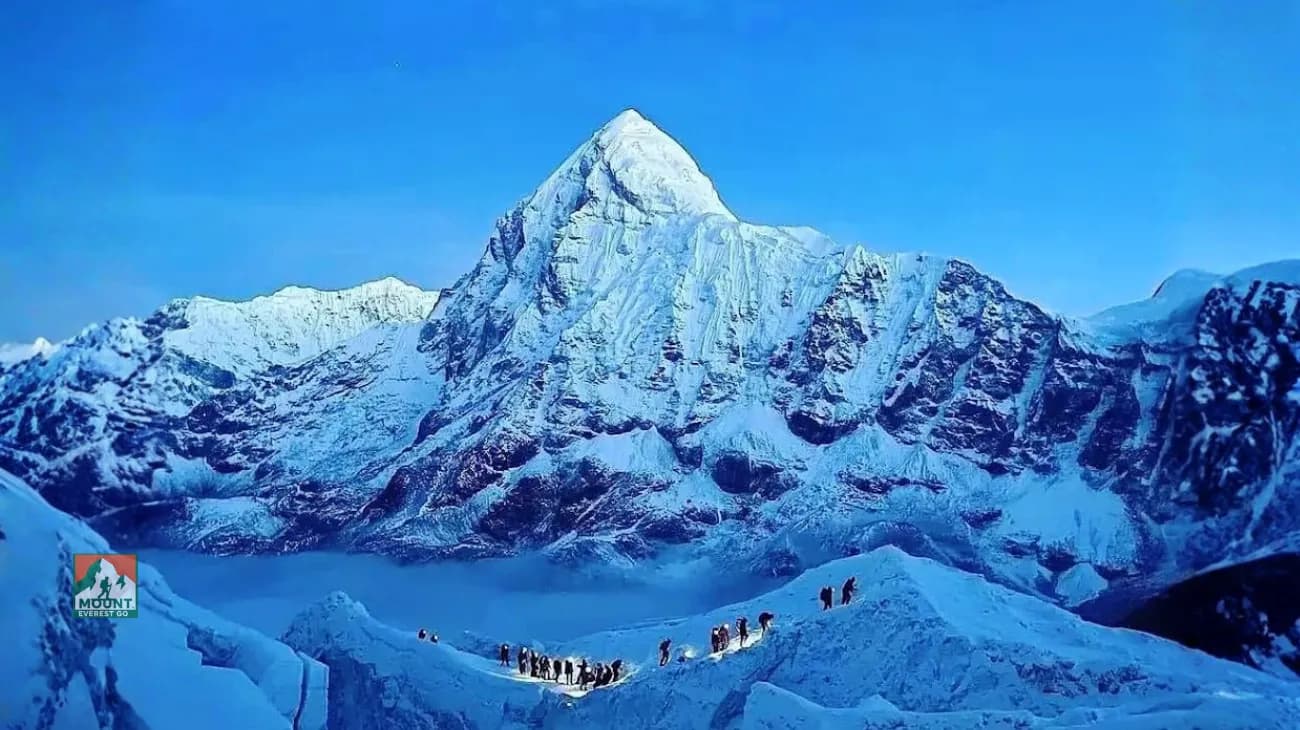
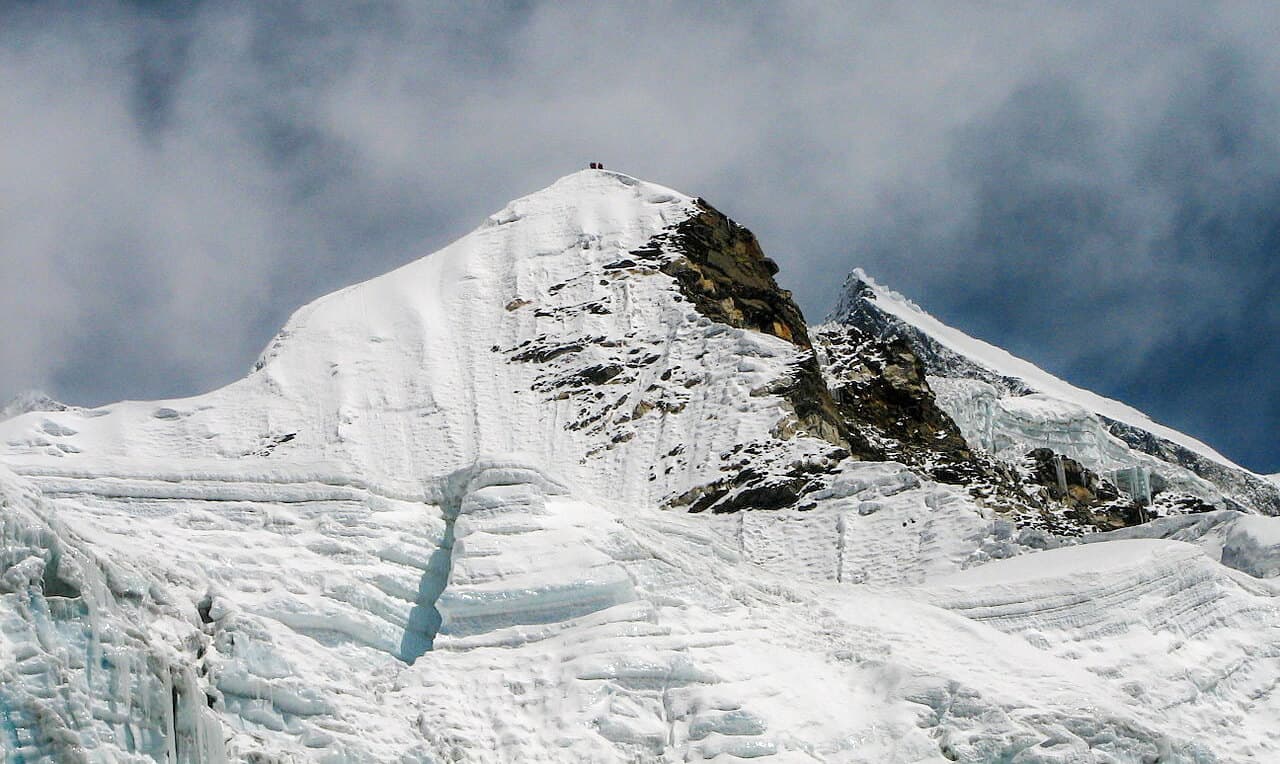
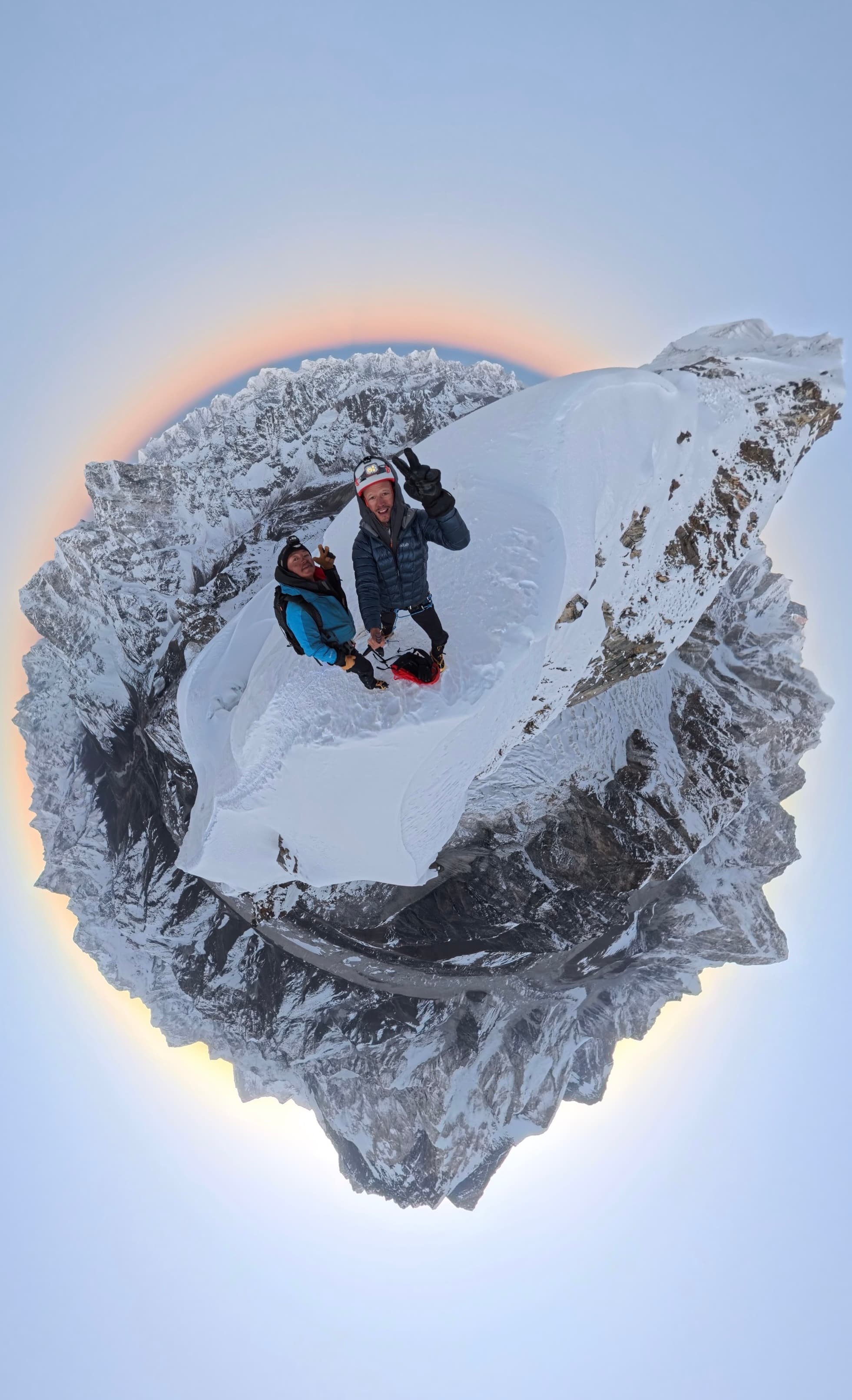
Mera Peak is one of the more comfortable and quickest mountains for peak climbing in Nepal. Standing at an elevation of 6,476M, it is the highest trekking peak in the country, making it a popular choice for adventurers. Thanks to its location, the summit offers striking views across neighbouring 8,000M giants — Everest, Lhotse, Cho Oyu, Makalu, and Kanchenjunga — alongside beautiful 6,000M and 7,000M peaks such as Baruntse and Ama Dablam.
Trip length runs 17–19 days depending on flight schedules to and from Lukla, weather-related delays, and whether an additional acclimatisation or contingency day is used along the route.
The Trek
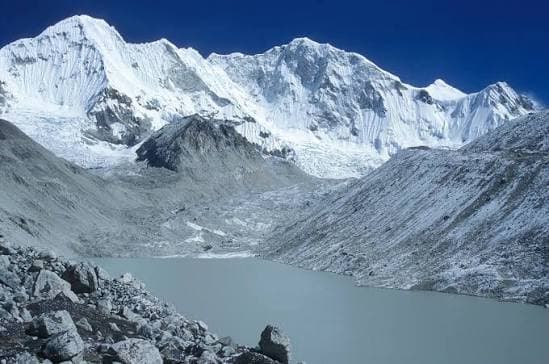
As Mera Peak sits below 6,500M, only a brief acclimatisation period is required. The trek itself provides sufficient acclimatisation, so by the time climbers reach the climbing camp they are ready for the ascent, without the need for an extended base camp stay. The climb begins with a classic mountain flight to Lukla, followed by an 11-day trek through the stunning Hinku Valley to the climbing camp. The standard route, while physically demanding, is not technically difficult, making Mera Peak an ideal beginner-level Himalayan climb.
The mountain's climbing history is tied to some of the great names of early Himalayan exploration — Sir Edmund Hillary, Eric Shipton, and George Lowe among them, part of a British expedition that explored the area in the early 1950s. The first successful summit was made on 20 May 1953 by Col. Jimmy Roberts and Sen Tenzing.
Climbing Route and Best Time
The standard route follows the North Face, which is relatively approachable for beginner climbers, making Mera Peak an excellent first Himalayan expedition. The North Face route crosses a high-altitude glacier, so snow conditions play a critical role in safety and summit success. Summit day itself is long and physically demanding, requiring a good level of fitness for a safe and successful ascent.
September to December and March to June are the best periods to climb, and this long climbing season, relatively approachable route, and spectacular summit scenery make Mera Peak a leading objective for commercial expeditions in Nepal — while its remoteness still offers a comparatively private climbing experience.
Spring (March, April, May) and Autumn (September, October, November) remain the most favourable seasons, though the trip can also run in winter for climbers seeking that added challenge. After a 35-minute mountain flight, climbers arrive in Lukla and begin trekking the following day through the Hinku Valley toward Mera Peak. Most groups proceed directly to high camp at Khare; a base camp is also established at Mera La (5,400M) for climbers without prior experience, or those who prefer a steadier pace.
 Nepal Mountaineering Association
 Trekking Agencies' Association of Nepal
 Nepal Tourism Board
 Wilderness First Responder
 IFMGA mountain guides
 Tripadvisor
 Leave No Trace