Guidance
Before you go
The practical stuff — a full gear list, altitude, visas, permits, seasons and insurance — explained properly, so you turn up prepared and spend your energy on the mountain, not the admin.
Gear list
Pack light, pack right — the full kit list, sorted by category.
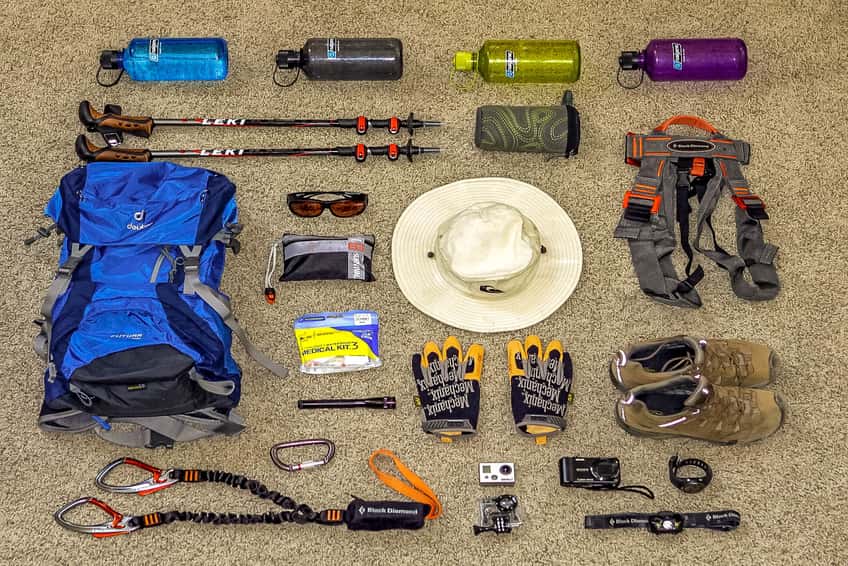
Getting your kit right is the difference between quietly enjoying a Himalayan trek and enduring it. The trails are long, the temperature can swing from t-shirt warmth at midday to well below freezing at night, and once you leave the road there is nowhere to buy the thing you forgot. So we send every trekker a personalised kit list on booking, tuned to the specific trek, season and altitude.
The list below is the backbone of that kit, grouped into six categories so you can pack — and check off — one section at a time. Aim for a single soft duffel (around 12–15 kg) that a porter carries, plus a daypack of 25–35 litres that stays with you for water, layers, snacks, camera and documents.
Two rules save most people: build a layering system rather than one heavy jacket, and break your boots in for several weeks before you fly. Everything else is refinement.
Weight tip
Porters carry a limited, insured load, so keep your duffel to the weight we specify for your trek. Wear your heaviest layers and boots on the flight in — it saves duffel weight and means you still have them if a bag is delayed.
The packing checklist
The full kit list, sorted into categories. Treat Must Have items as non-negotiable, Recommendedas things you'll be glad you brought, and Optionalas nice-to-haves. You can tick it off interactively on every trek's page.
Clothing & Layers
- Moisture-wicking base layer (top & bottom)Synthetic or merino wool — avoid cottonMust Have
- Fleece jacket or mid-layerFor warmth at high altitudeMust Have
- Waterproof & windproof outer jacketGore-Tex or similar recommendedMust Have
- Down jacket or insulated vestLightweight packable down recommendedMust Have
- Trekking trousers (2–3 pairs)Quick-dry fabric preferredMust Have
- Warm hat, sun hat & buffCover ears above 3,000 mMust Have
- Gloves — liner + insulatedTwo pairs for the high passesRecommended
Footwear
- Broken-in waterproof trekking bootsAnkle support is essentialMust Have
- Camp shoes / sandalsTo rest your feet at teahousesRecommended
- Trekking socks (4–5 pairs)Wool or synthetic — avoid cottonMust Have
- GaitersFor snow and scree sectionsOptional
Camping & Sleeping
- Sleeping bag (rated −10 °C or lower)Teahouse blankets are thinMust Have
- Sleeping bag linerAdds warmth and keeps it cleanRecommended
- Trekking backpack (50–60 L)Waterproof cover or pack linerMust Have
- Daypack (20–30 L)For essentials while porter carries the main bagRecommended
- Dry bags / waterproof stuff sacksKeep electronics and clothes dryMust Have
Documents & Money
- Valid passport (6+ months validity)Required for all permits and check-insMust Have
- Nepal visaOn arrival at Kathmandu airport or onlineMust Have
- Travel insurance documentsMust cover altitude & helicopter evacuationMust Have
- Passport photos & permit copiesSeveral spare passport photosRecommended
- Nepali Rupees (cash)ATMs are unavailable on most trailsMust Have
Health & Safety
- Personal first-aid kitPlus any prescription medicationMust Have
- Sun protection (SPF 50, lip balm)UV is intense at altitudeMust Have
- Glacier glasses / UV sunglassesCategory 3–4 for snowMust Have
- Water purification (tablets/filter)Refill safely on the trailMust Have
- Diamox (consult your doctor)For acclimatisation, if advisedOptional
Electronics & Extras
- Headtorch + spare batteriesFor early starts and teahousesMust Have
- Power bank (20000 mAh+)Charging is costly and unreliable on trailMust Have
- Universal travel adapterNepal uses Type C, D and M socketsRecommended
- Camera or smartphoneThe scenery deserves documentingOptional
- Trekking polesSave your knees on the descentsRecommended
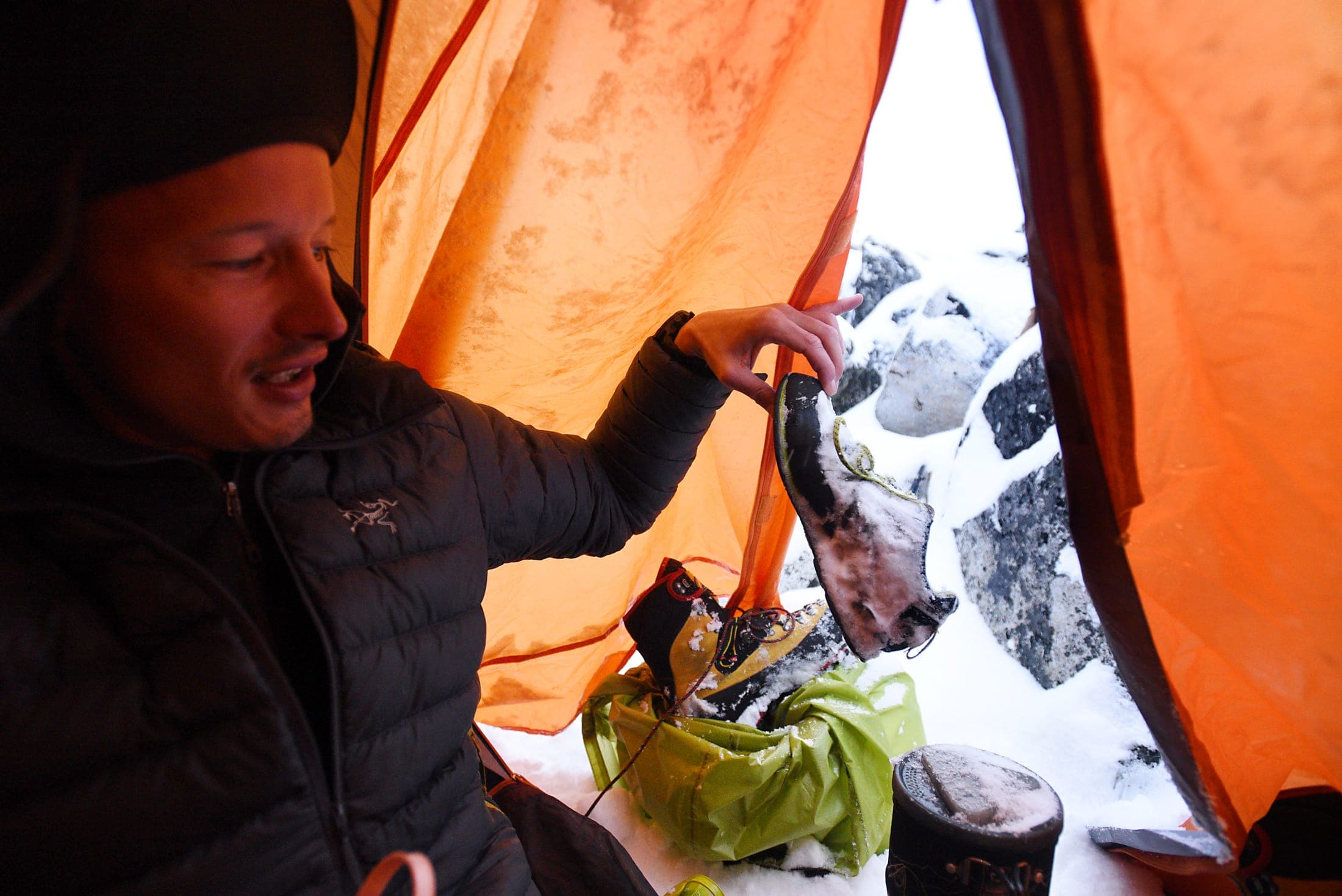
Altitude & acclimatisation
The single biggest risk at altitude — and how our itineraries manage it.
Above roughly 2,500 m the air holds less oxygen, and your body needs time to adapt. Acute Mountain Sickness (AMS) is the mild, common form — headache, poor sleep, nausea, loss of appetite. Left unchecked it can progress to the serious, life-threatening forms (HACE and HAPE). The good news: with a sensible ascent profile it is almost entirely preventable, and it has nothing to do with fitness — strong, young trekkers are just as susceptible.
Every HUX EXPED itinerary is built around the golden rule of "climb high, sleep low": we gain height gradually, build acclimatisation days into the schedule above 3,500 m, and never rush the profile to save a day. Your guide checks in with the group daily and carries a pulse oximeter and emergency oxygen.
Your job is simpler: walk at a slow, conversational pace, drink far more water than feels natural (3–4 litres a day), eat even when your appetite fades, and tell your guide the moment you feel off. Symptoms that are getting worse mean one thing — descend. There is no summit or pass worth pushing through it for.
- Ascend gradually — extra rest/acclimatisation nights built in above 3,500 m
- Hydrate hard (3–4 L/day) and walk at a conversational pace
- Know the signs: headache, nausea, poor sleep, dizziness, breathlessness at rest
- Never ascend with worsening symptoms — the fix is always to descend
- Guides carry a pulse oximeter and emergency oxygen; talk to them early
Ask about Diamox
Acetazolamide (Diamox) can help prevent AMS on faster profiles. It's a personal medical decision — discuss it with your own doctor before you travel and carry it if they advise it.

Nepal visa & arrival
Visa on arrival is simple — here's exactly what to bring.
Most nationalities can get a tourist visa on arrival at Kathmandu's Tribhuvan International Airport or at land borders, so you don't need to arrange anything with an embassy beforehand. Visas come in 15-, 30- and 90-day options, payable in cash (USD is easiest) at the airport.
You can save yourself the longest queue by completing the online application at Nepal's official immigration portal within 15 days of arrival, printing the receipt, and bringing it with you. Have a passport-sized photo ready either way.
When you land, our team meets you on the other side of immigration and transfers you to your hotel — one less thing to think about after a long flight.
- Passport valid 6+ months with at least one blank page
- One passport photo + USD cash for the visa fee
- 15 / 30 / 90-day tourist visas available on arrival
- Apply online beforehand (immigration.gov.np) to skip the queue
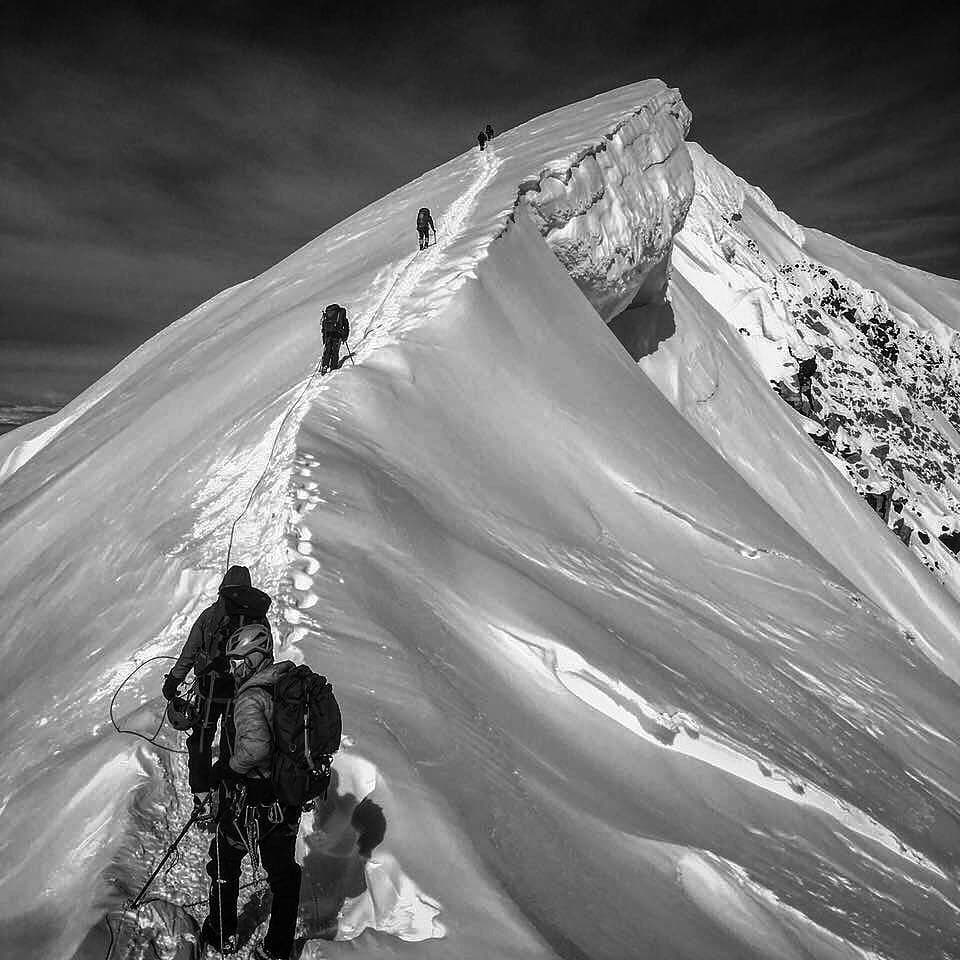
TIMS & trekking permits
The paperwork the mountains require — all arranged by us.
Trekking in Nepal is regulated, and the offbeat regions we specialise in are the most regulated of all. Depending on your route you may need a TIMS (Trekkers' Information Management System) card, national-park or conservation-area entry permits, and — for places like Upper Dolpo, Kanchenjunga, Mustang and Manaslu — a Restricted-Area Permit that legally requires a registered guide and a minimum group size.
This is where a homegrown operator earns its keep. We arrange every permit end-to-end, handle the registrations and checkpoints, and build the cost into your trip price so there are no surprises. You simply bring your passport and photos; we do the rest.
It also means you're trekking legally and responsibly. The permit fees fund conservation and local communities, and the guide requirement in restricted zones is a genuine safety measure in some of the remotest country on earth.
- TIMS card for trekking regions
- National-park & conservation-area entry permits
- Restricted-area permits (Dolpo, Kanchenjunga, Mustang, Manaslu…)
- Climbing permits for trekking & expedition peaks
All included
Every permit your itinerary needs is arranged by us and included in the trip price. You never have to queue at a government office or work out which permit applies where.
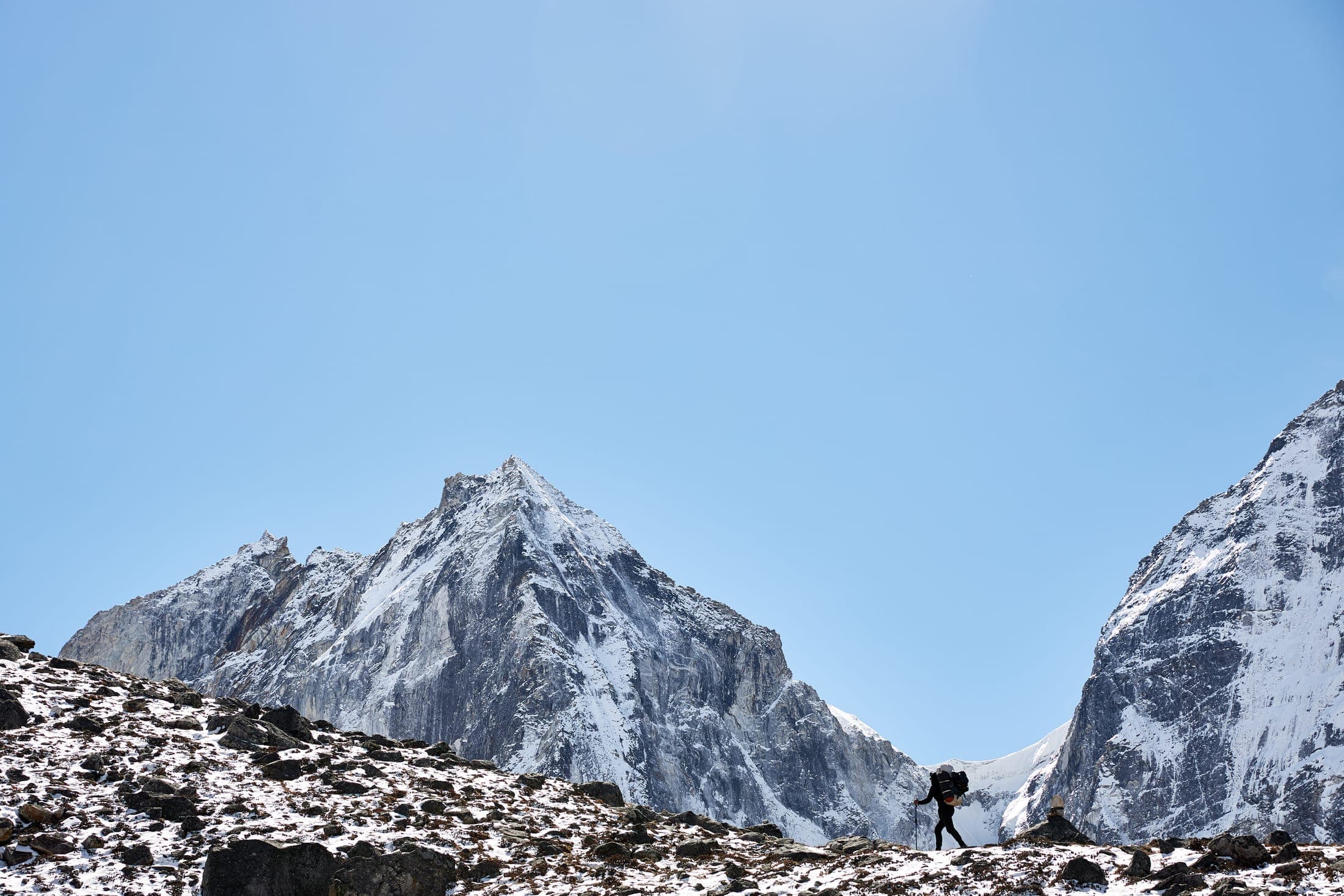
When to come & travel tips
Seasons, timing and the small things that make a trip smoother.
The two prime trekking seasons are spring (March–May), when the rhododendron forests bloom and the days lengthen, and autumn (September–November), which brings the clearest, most stable skies of the year. Winter treks are possible on lower routes for those who don't mind the cold, while the summer monsoon (June–August) is best avoided in most regions — though the rain-shadow lands like Dolpo and Mustang stay dry and are at their best.
However fixed your dates, arrive in Kathmandu a day or two before the trek starts. Domestic flights to mountain airstrips are weather-dependent and can shift, and that buffer turns a stressful missed connection into a relaxed extra day exploring the city. Leave a spare day at the end for the same reason.
On the trail, pack a soft duffel for the porters and a comfortable daypack for yourself, carry small-denomination cash for tea houses and tips, and download offline maps and a good book — evenings are long, mobile signal is patchy, and that's rather the point.
- Best seasons: spring (Mar–May) & autumn (Sep–Nov)
- Arrive 1–2 days early to buffer weather-dependent mountain flights
- Pack a soft duffel for porters, a comfortable daypack for yourself
- Carry small cash for tea houses, tips and the odd hot shower
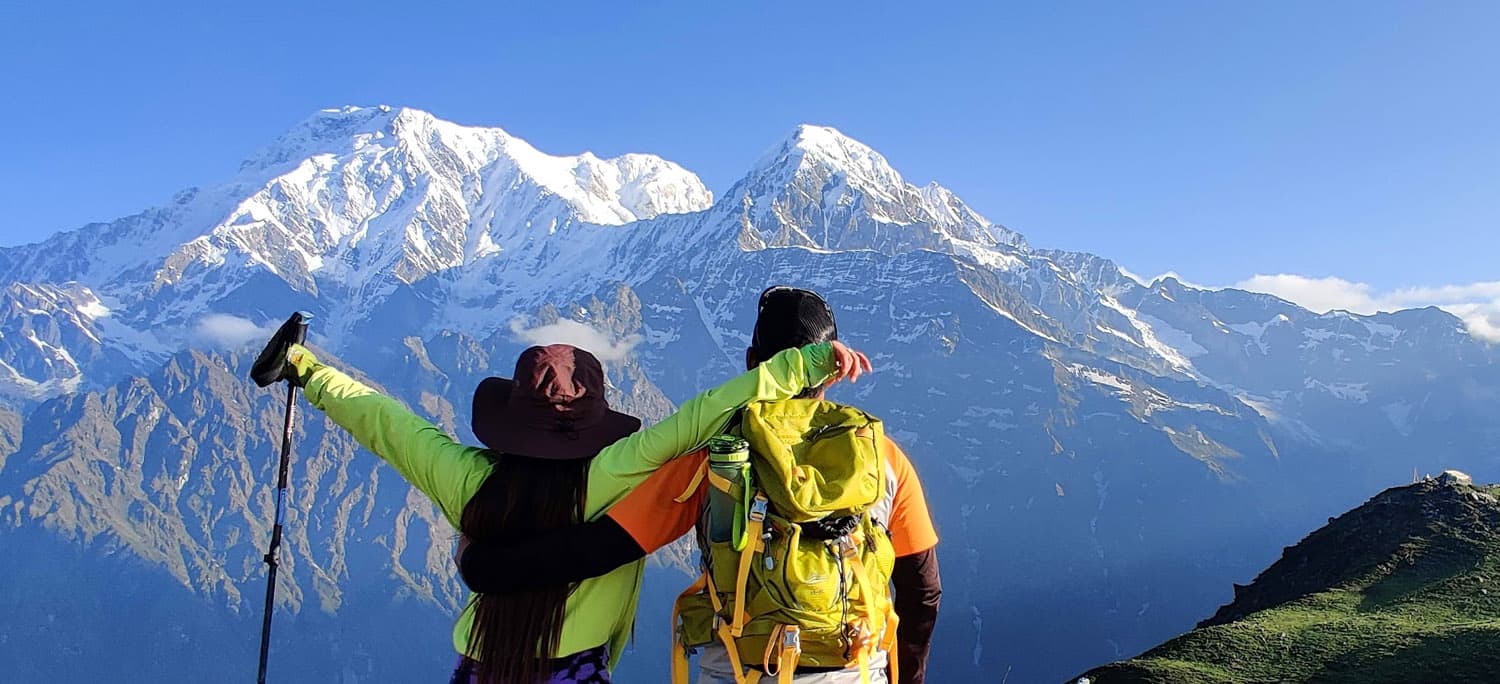
Travel insurance
Mandatory on every trip — and it must cover the right things.
Comprehensive travel insurance is a non-negotiable condition of joining any HUX EXPED trip, and not all policies are equal. In the mountains, the two things that matter most are the maximum altitude your policy covers and whether it includes helicopter search, rescue and evacuation — because if someone needs to come off the mountain fast, a helicopter is often the only way, and it is expensive.
Check the small print: your policy must cover trekking (and, on climbs, mountaineering) up to the maximum altitude of your specific itinerary. A standard holiday policy usually stops well below where we go. It should also cover medical treatment, emergency repatriation and trip cancellation.
We're happy to point you towards specialist providers other trekkers have used and trusted. Bring your policy number and the insurer's 24-hour emergency line — we keep a copy on file for the trip, just in case.
- Cover to your trek's (or climb's) maximum altitude
- Helicopter search, rescue & evacuation included
- Medical treatment, repatriation and trip cancellation
- We'll point you to specialist providers we trust
Bring the details
Carry your policy number and the insurer's 24-hour emergency phone number, and send us a copy before departure. If it's ever needed, minutes matter.
Climbing, not just trekking?
Skills, training, ratios and how a guided expedition actually works — it all lives on our dedicated mountaineering guide.
Still have questions?
We'll talk you through gear, fitness, permits and altitude before you commit to anything.