About this trek
The full circuit linking both base camps of Kanchenjunga over the high Sele La passes — the longest, wildest teahouse trek in Nepal, walked by only a handful of groups a year.
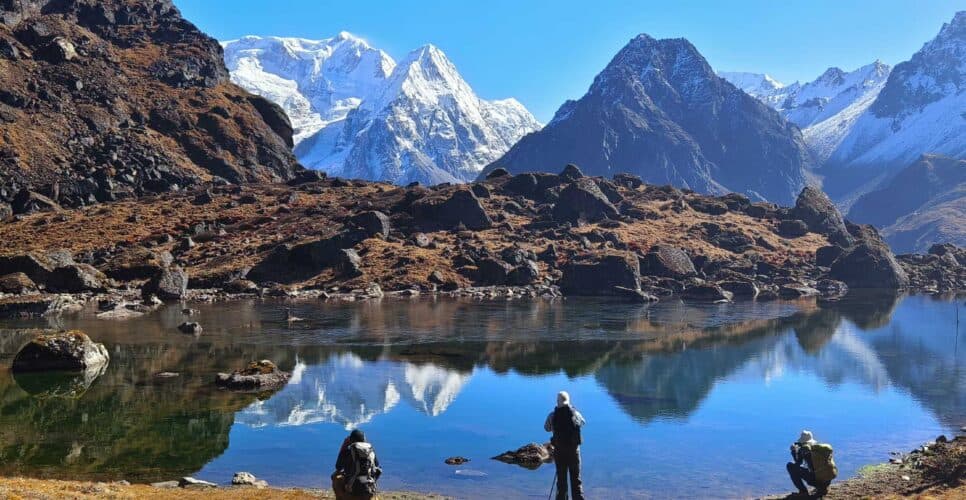
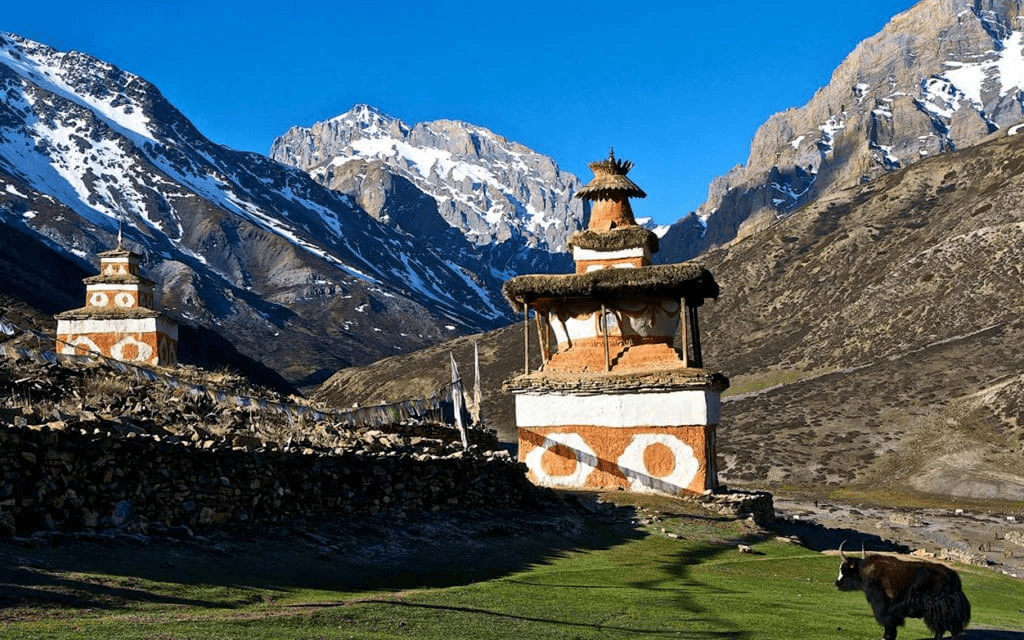
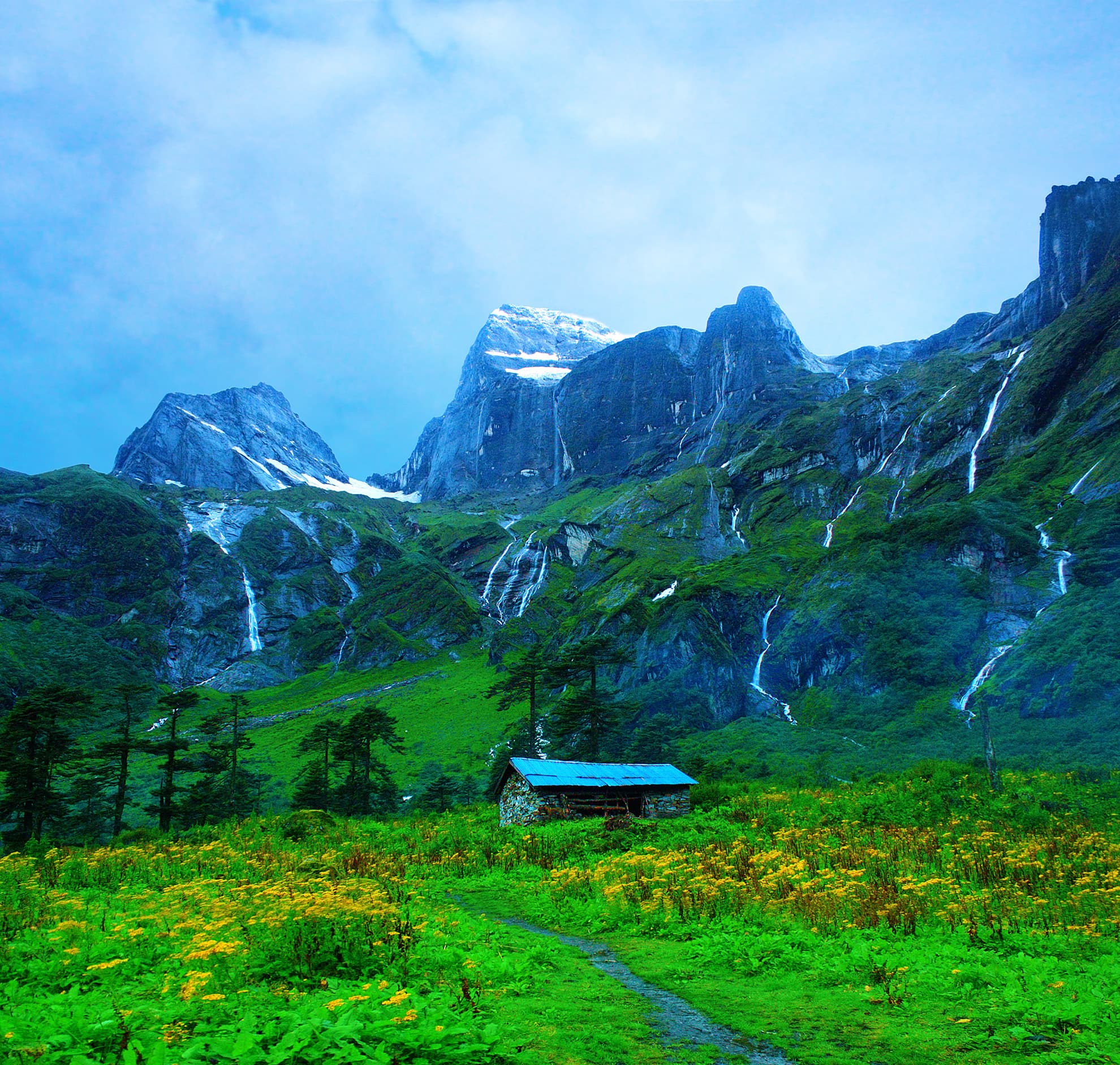
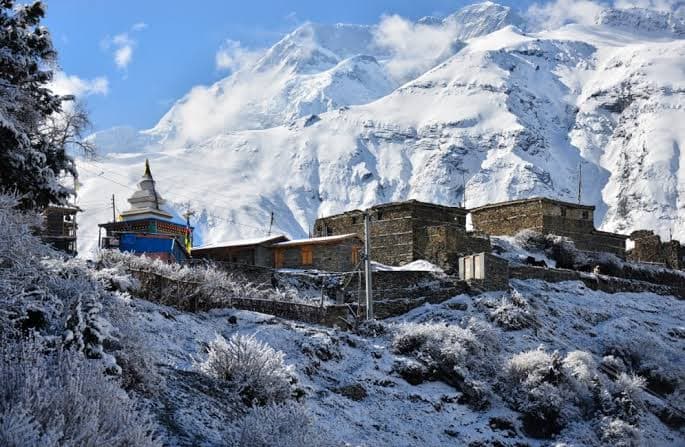
This trek is renowned for its breathtaking scenery—towering glaciers, glittering Himalayan summits, ancient monasteries, and the rich traditions of Rai, Limbu, and Tibetan-influenced communities. Unlike the crowded trails of Everest or Annapurna, Kanchenjunga remains sparsely visited, preserving its pristine charm and mystery. The journey begins with a flight from Kathmandu to Bhadrapur, followed by trails through dense rhododendron forests, alpine meadows, and high passes such as the Mirgin-La (4,725m), which reveals sweeping views of Chamlang, Makalu, and Everest. Along the way, This area is the home of wildlife, including the elusive Red Panda, Snow Leopard, and Himalayan Black Bear, as well as rare bird species like the Impeyan pheasant. The trek also rewards adventurers with panoramic vistas of peaks such as Jannu (7,710m), Koktang (6,147m), Rathong (6,679m), and five giants rising above 8,000 meters. First summited in 1955 by British climbers Joe Brown and George Band, Kanchenjunga remains a symbol of challenge and grandeur. This demanding expedition requires strong fitness, determination, and the ability to walk six or more hours daily in rugged terrain. With basic facilities but unmatched hospitality from locals, the Kanchenjunga Circuit Trek is a rare opportunity to experience raw Himalayan beauty, cultural diversity, and true wilderness. A special trekking permit is required, ensuring that only committed adventurers take part in this unforgettable journey.
Difficulty,Terrain and Trail condition of the Kanchenjunga Circuit Trek
The Kanchenjunga Circuit is among Nepal’s most demanding treks because several hard factors combine rather than a single obvious obstacle. Altitude is a primary challenge: the route climbs repeatedly above 3,500 m and reaches well over 5,000 m on summit view days, so prolonged exposure to thin air taxes both body and mind. Careful pacing, disciplined acclimatization, and conservative decision making are essential to stay safe.
Length and cumulative fatigue add another layer of difficulty. The circuit runs for more than three weeks, with many consecutive days of 6–8 hours on steep ascents and long, punishing descents. Even fit trekkers feel the wear of back to back mountain days, and recovery opportunities are limited in the high valleys.
Trail conditions are rugged and often unpredictable. Expect narrow ridgelines, rocky moraines, scree, and sections of glacial debris; footing can be slippery and uneven, demanding strong legs, balance, and constant concentration. Several high passes (Selele La, Mirgin La, Sinelapcha La, Sinion La) and the day hike to Pangpema (North Base Camp) involve steep, exposed terrain and occasional landslide scarred approaches.
Remoteness amplifies the challenge. Above Ghunsa the number of lodges dwindles, resupply points are scarce, and medical or evacuation support is limited. Tea shops may offer snacks near base camp approaches, but sleeping options are minimal, so your schedule becomes fixed once you push into the upper valleys. This isolation means you must be self reliant, carry appropriate gear, and accept fewer comforts than on busier routes.
Weather and logistics are additional hurdles. Conditions can swing from clear and warm to icy winds and snowfall within hours; large diurnal temperature swings are common at high elevations. Given the sparse infrastructure, bad weather can force long waits or difficult route choices. For all these reasons, the Kanchenjunga Circuit is best suited to trekkers who are well prepared, experienced at altitude, physically fit, and mentally ready for a sustained, remote high mountain expedition rather than a casual hike.
 Nepal Mountaineering Association
 Trekking Agencies' Association of Nepal
 Nepal Tourism Board
 Wilderness First Responder
 IFMGA mountain guides
 Tripadvisor
 Leave No Trace