About this climb
A NOTE ON WEATHER CONTINGENCY
If a day is used as a weather contingency at base camp ahead of the summit attempt — to allow poor conditions to pass or provide extra acclimatisation time before the push to the summit — the free day in Kathmandu (Day 17) is deducted accordingly, keeping the overall trip length unchanged.
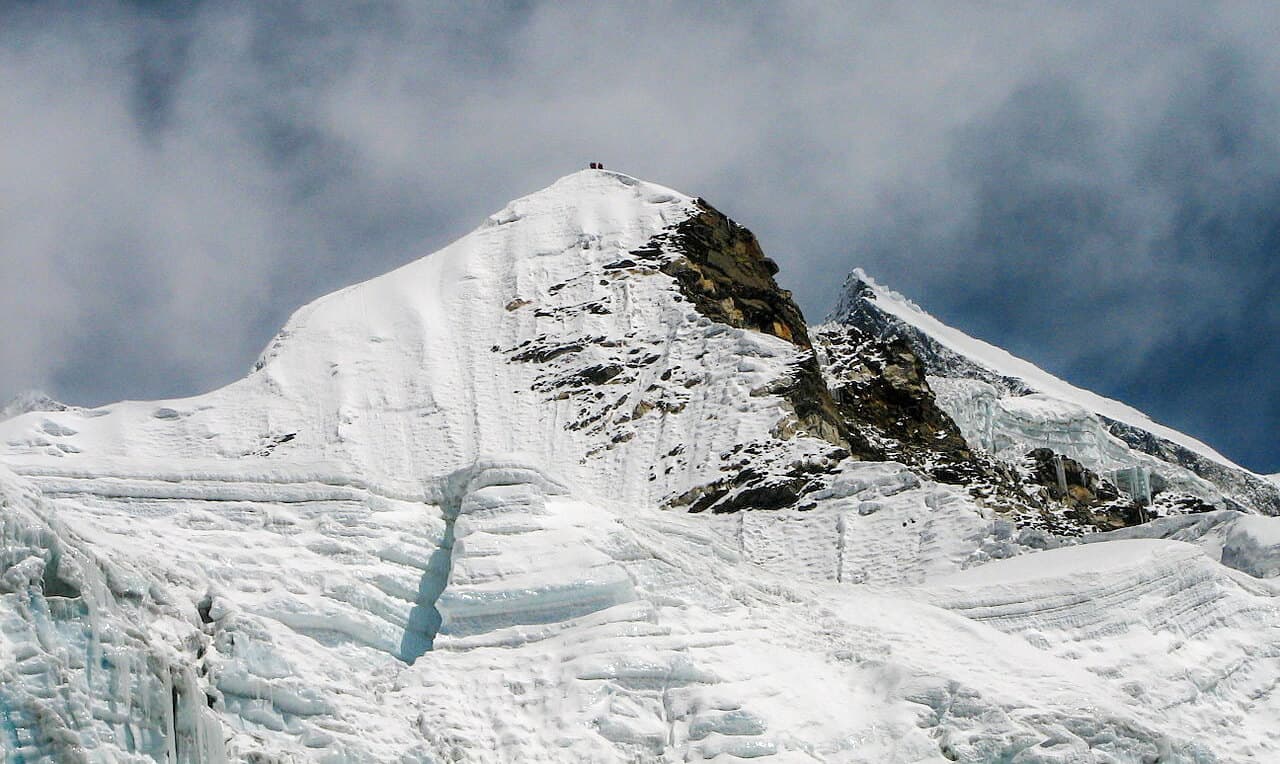
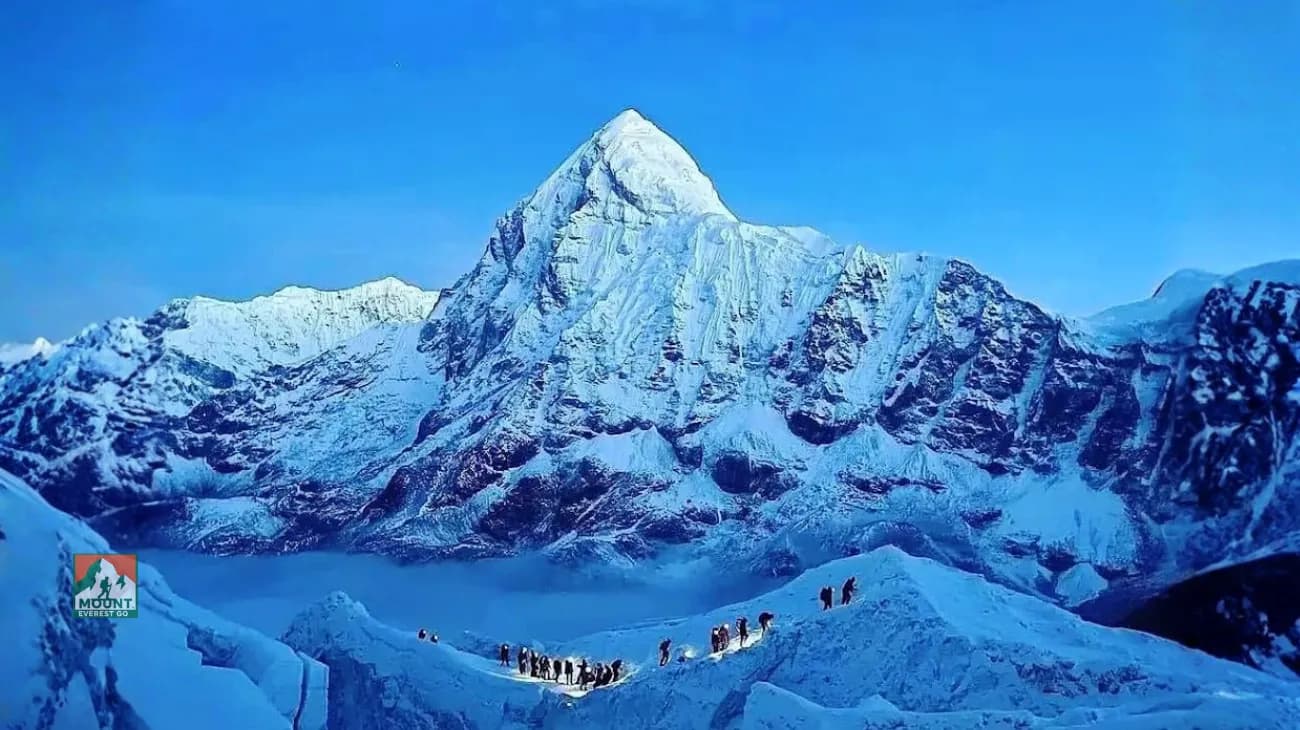
Island Peak — known as Imja Tse in the local Sherpa language — is one of the most sought-after peaks above 6,000M in the Everest region. Its distinctive shape earned the name “Island Peak” from members of a British expedition, for its resemblance to an island rising from a sea of snow and ice when viewed from Dingboche. It draws the attention of nearly every mountaineer who passes through the region.
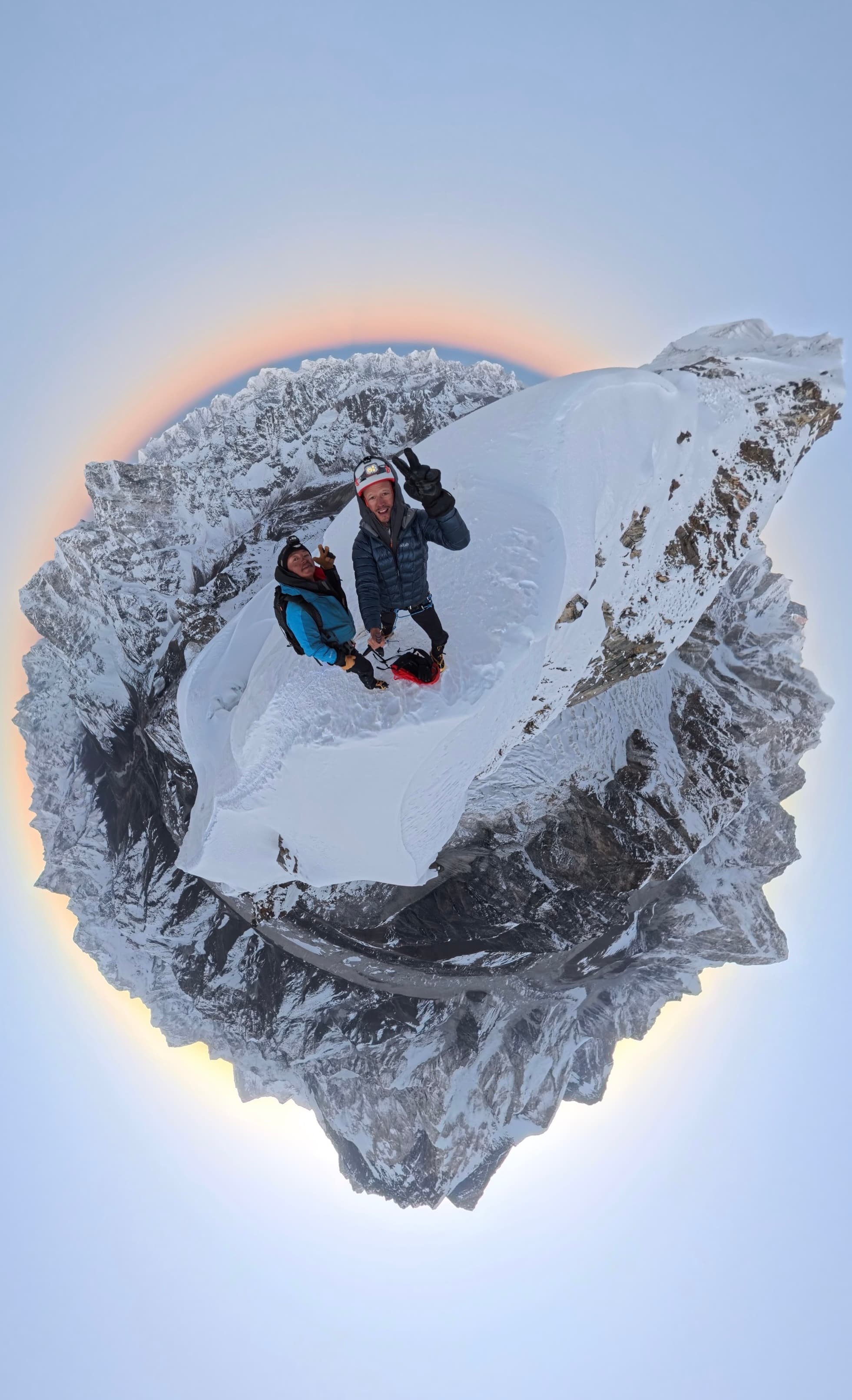
The peak was first summited in 1953 by Tenzing Norgay, Charles Wylie, Charles Evans, and Alf Gregory. Hundreds of successful ascents have followed since, and Island Peak remains a top choice for aspiring climbers — relatively more accessible than the 7,000M giants, yet no less rewarding in the sense of achievement it delivers at the summit.
Island Peak suits climbers with some high-altitude experience who want to expand their horizons in the Himalayas. While it offers an approachable introduction to Himalayan climbing, it still demands endurance, with sections of snow, ice, and crevasse crossings along the way — making it an excellent opportunity to build mountaineering skills ahead of 7,000M and 8,000M objectives.
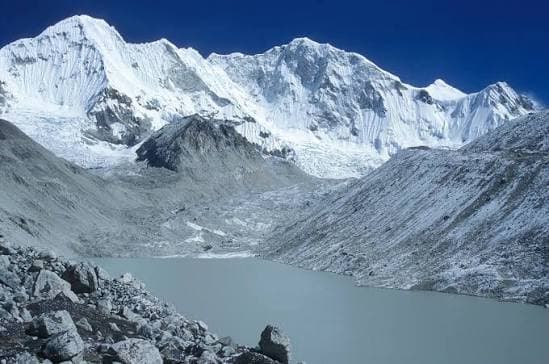
The trekking route follows the same path as the Everest Base Camp trek as far as Dingboche, where climbers turn toward Chhukung and Island Peak while Everest- and Lhotse-bound trekkers continue on toward Lobuche. The trail throughout is striking and varied, framed by sweeping mountain vistas and the flora and fauna of Sagarmatha National Park.
 Nepal Mountaineering Association
 Trekking Agencies' Association of Nepal
 Nepal Tourism Board
 Wilderness First Responder
 IFMGA mountain guides
 Tripadvisor
 Leave No Trace