About this climb
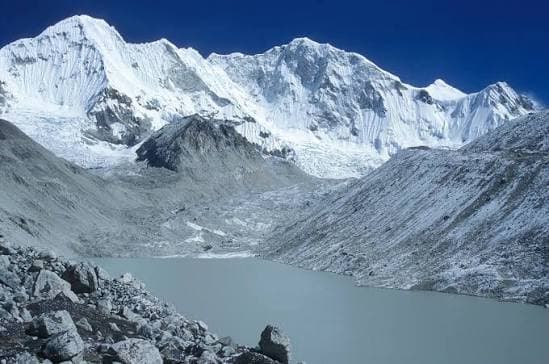
Baruntse Peak stands among Nepal's most rewarding 7,000 m summits, alongside Himlung (7,126 m), Tilicho Peak (7,134 m), and Langtang Lirung (7,227 m). Set between the Hunku Valley to the south and the Barun Valley to the east, it rises within the legendary Khumbu region — home to Mount Everest (Sagarmatha) and a cluster of the world's highest peaks.
The mountain was first climbed in 1954 by a team led by Colin Todd and Sir Edmund Hillary, who would go on to make the first ascent of Everest with Tenzing Norgay Sherpa the following year. The standard climbing itinerary covers roughly 130–150 km by air and 125–140 km on the round-trip trek, with an additional overland journey of about 400 km connecting Kathmandu and Lukla.
Because Baruntse combines technical climbing with genuine high-altitude remoteness and minimal settlement support, it is recommended only as a guided expedition — best suited to climbers with some prior high-altitude experience, though it remains one of the more approachable 7,000 m objectives in Nepal when properly prepared and acclimatized.
Route & Trail Character
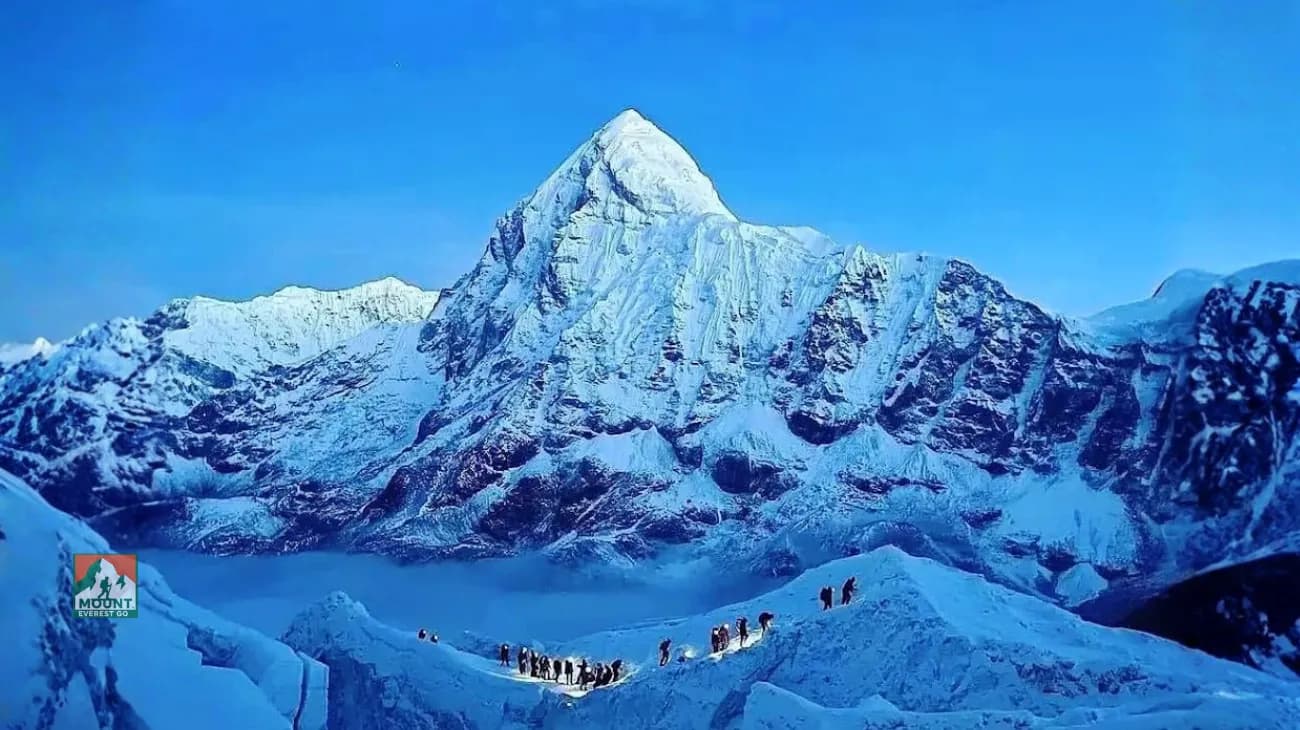
Up to Namche Bazaar, the trail shares ground with the busy Everest region routes. From there, rather than following the heavily trodden Everest Base Camp trail, the Baruntse route turns through Chutanga, Thuli Kharka via the Zatrwa La Pass, Kothe, Thangnak, Khare, and Seto Pokhari before reaching Baruntse Base Camp.
This stretch of the Khumbu Himalaya remains quiet even during the peak spring and autumn seasons, offering a wild, less-commercialized trekking experience and a genuine mountaineering atmosphere far from the crowds of the classic trails.
People & Culture
The Makalu Barun region is home to two of Nepal's indigenous communities, the Sherpa and the Rai. Beyond Lukla, the villages along the route to Baruntse Base Camp are largely Sherpa settlements, a people renowned worldwide for their climbing skill and resilience in high-altitude environments.
Daily life here still centres on agriculture and animal husbandry, with tourism playing a growing role. Monasteries, mani walls, and prayer-flag-draped chortens reflect a culture with deep ties to Tibetan Buddhist tradition.
Wildlife & Natural Environment
The route passes through Makalu Barun National Park, which protects both the Barun and Hunku Valleys across roughly 1,500 sq. km spanning the Sankhuwasabha and Solukhumbu districts, extending toward the Tibet Autonomous Region of China. Across the 35-day itinerary, attentive trekkers stand a good chance of sighting some of the park's rare wildlife, including:
• Red panda
• Himalayan musk deer
• Himalayan black bear
• Himalayan tahr
• Satyr tragopan, blood pheasant, and Himalayan monal
• Snow leopard, particularly in areas holding winter snow
Mountain Views Along the Way
The journey offers exceptional mountain scenery from start to finish. Ama Dablam (6,812 m) is visible from Lukla itself; Thamserku appears near Namche Bazaar; and deeper into the Khumbu, Kangtega (6,782 m) comes into view, followed by Chamlang (7,319 m) and Mera Peak (6,476 m) toward the Barun and Hunku Valleys.
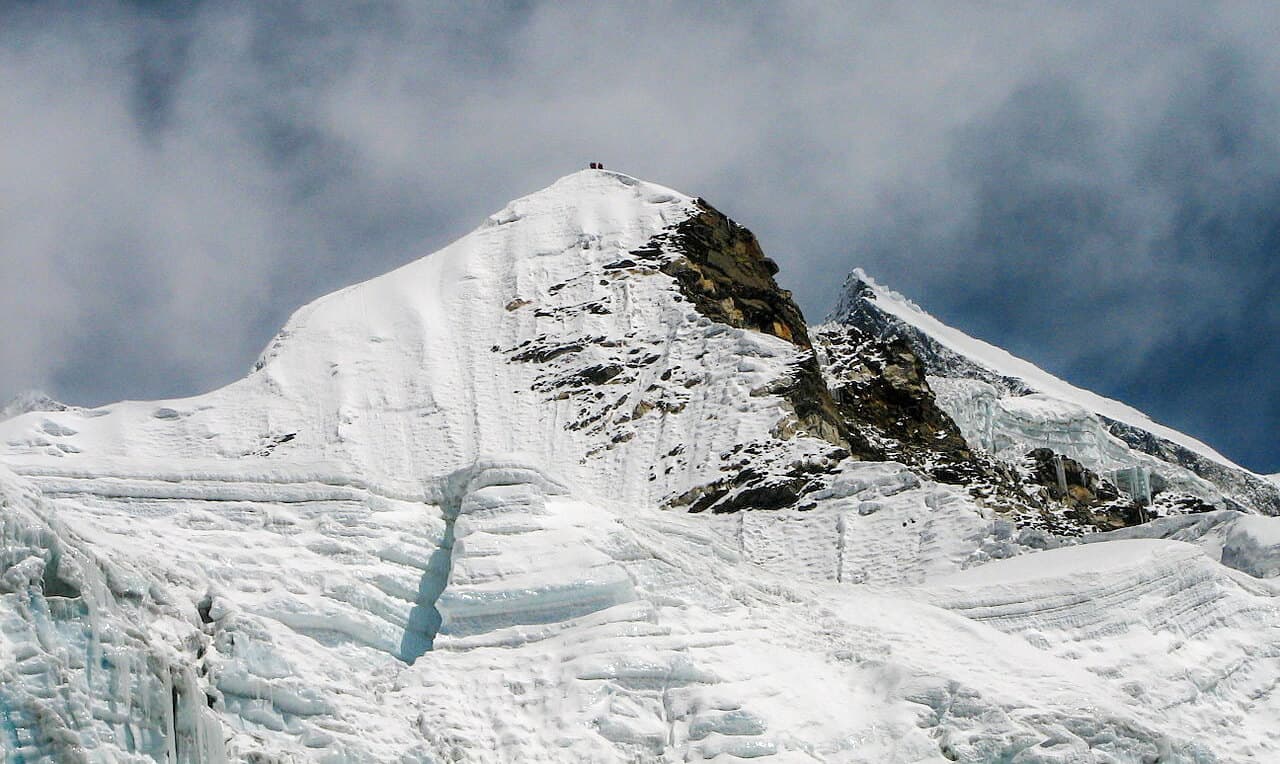
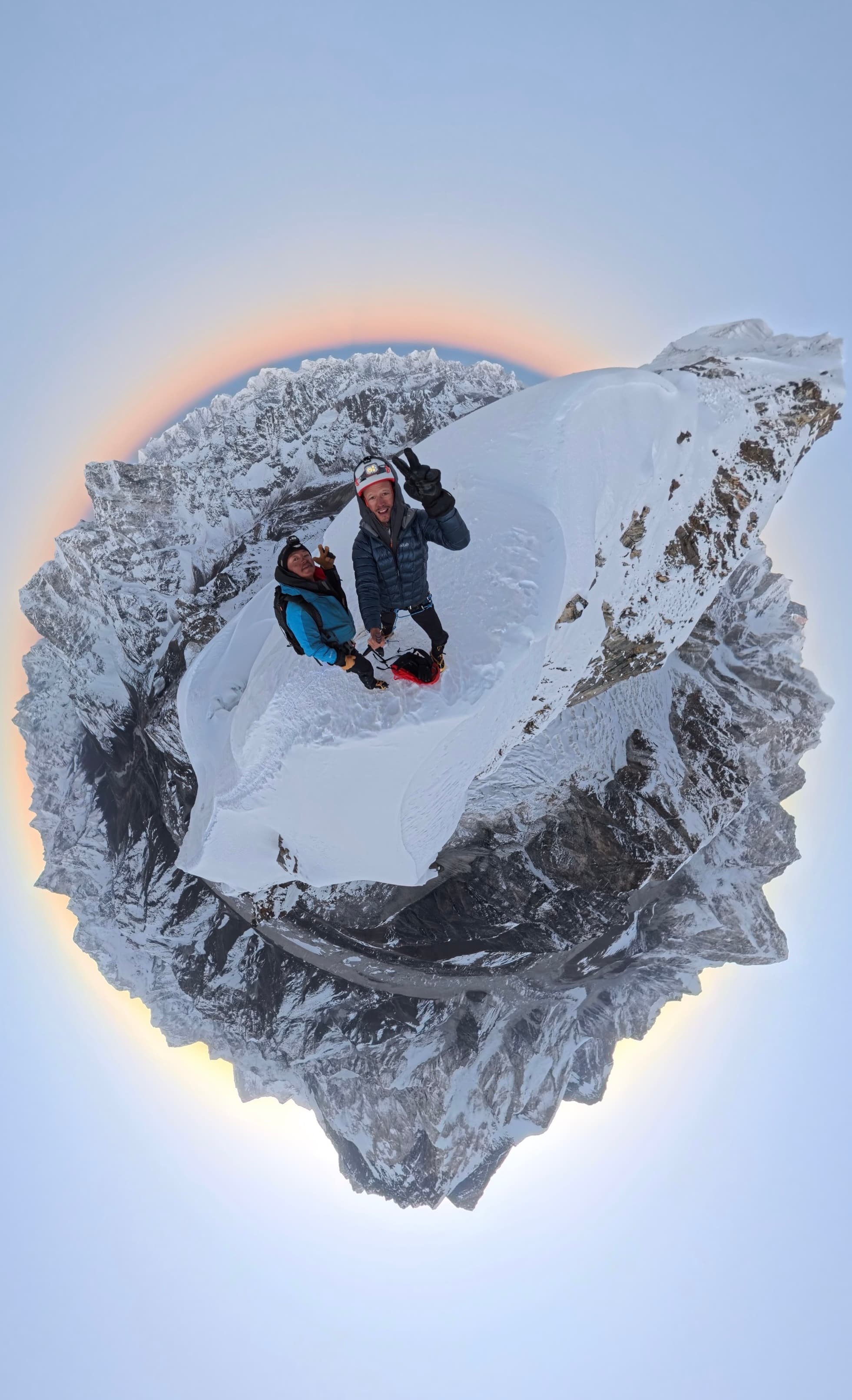
The finest views are reserved for the summit itself. Though a stay of more than 30 minutes at the top is not advisable, climbers are rewarded with a 360-degree panorama of Makalu (8,485 m), Lhotse (8,516 m), Everest (8,848.86 m), and Ama Dablam — a rare and deeply memorable vantage point.
 Nepal Mountaineering Association
 Trekking Agencies' Association of Nepal
 Nepal Tourism Board
 Wilderness First Responder
 IFMGA mountain guides
 Tripadvisor
 Leave No Trace