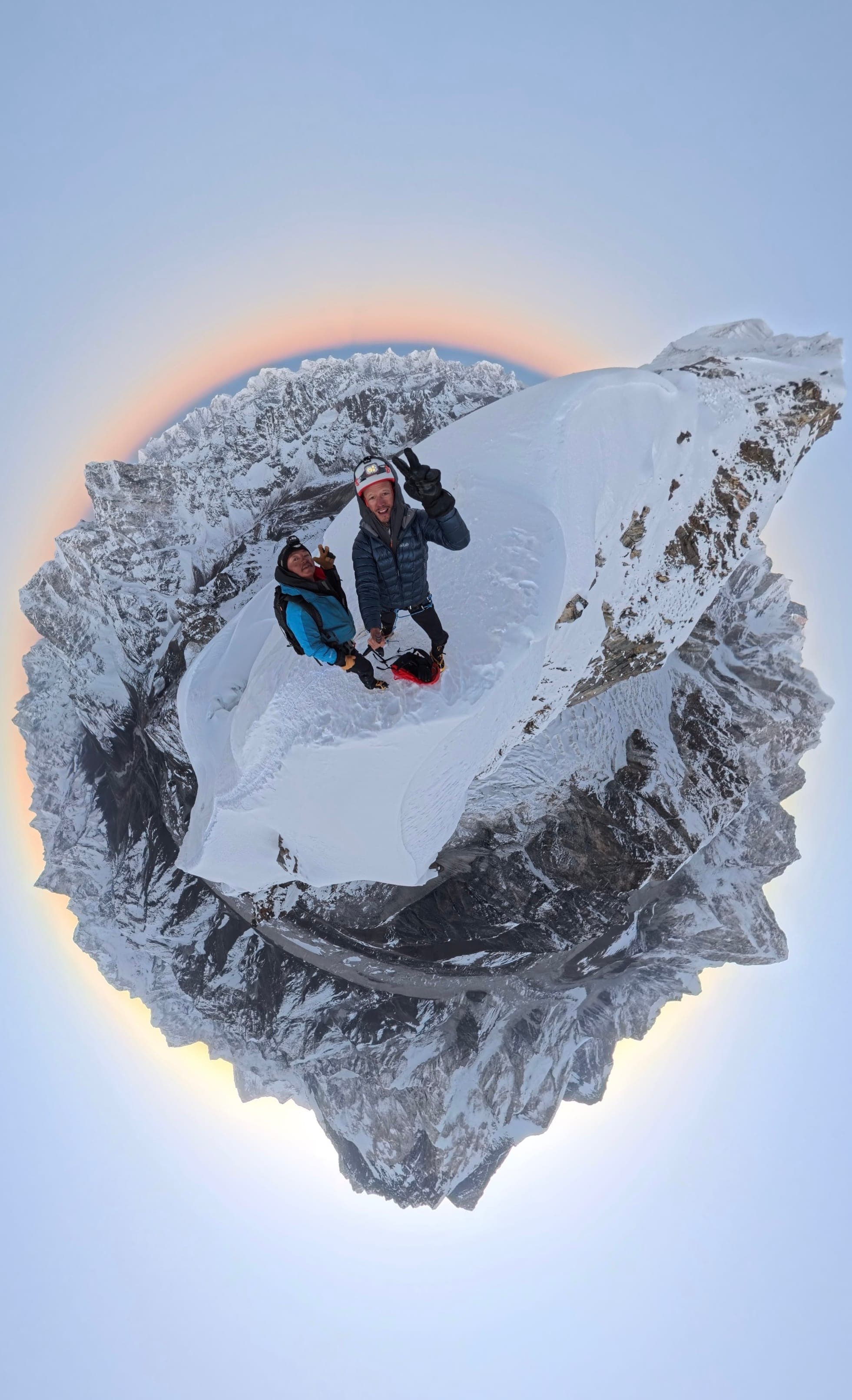
Beyond the Dhaulagiri massif lies a roadless Buddhist kingdom that stayed closed to outsiders until 1989. Here's what it's really like to walk it.
A kingdom out of time
Tucked behind the Himalaya in Nepal's remote north-west, Upper Dolpo feels less like a trek and more like time travel. The landscape is high desert — ochre cliffs, turquoise lakes and whitewashed gompas that have looked the same for six centuries. This is the land made famous by Peter Matthiessen's The Snow Leopard, and it still rewards patience the way it did then.
Because the region sits in the rain shadow of the Dhaulagiri and Kanjiroba massifs, the culture here is Tibetan to the core. Villages like Saldang and Shimen keep the old Bon and Buddhist traditions alive, and the rhythm of yak caravans and barley harvests sets the pace of every day on the trail.
Permits and access
Upper Dolpo is a restricted area. You'll need a special permit (currently USD 500 for the first 10 days, plus the Shey Phoksundo National Park fee), and you must travel with a registered agency and a licensed guide — solo trekking isn't allowed. We handle the paperwork end to end.
Access is part of the adventure. Most itineraries fly Kathmandu–Nepalgunj–Juphal, then walk from there. There are no roads into the upper valleys, which is exactly why they remain so untouched.
When to go and what to expect
The rain shadow makes Dolpo one of the few Nepal regions trekkable through the monsoon (June–August), when the rest of the country is socked in. Spring and autumn are reliable too, though high passes like the Kang La and Saldang La can hold snow.
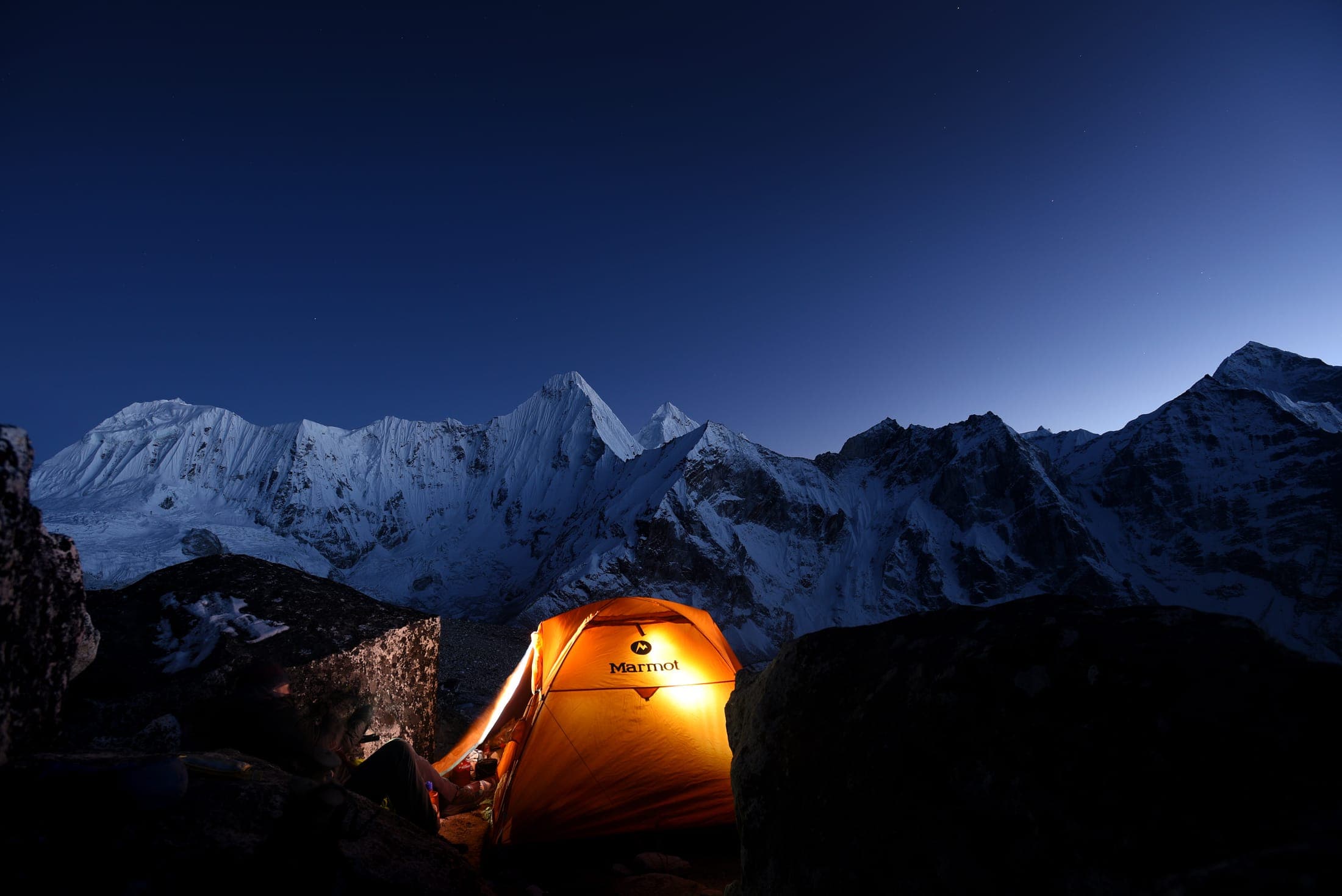
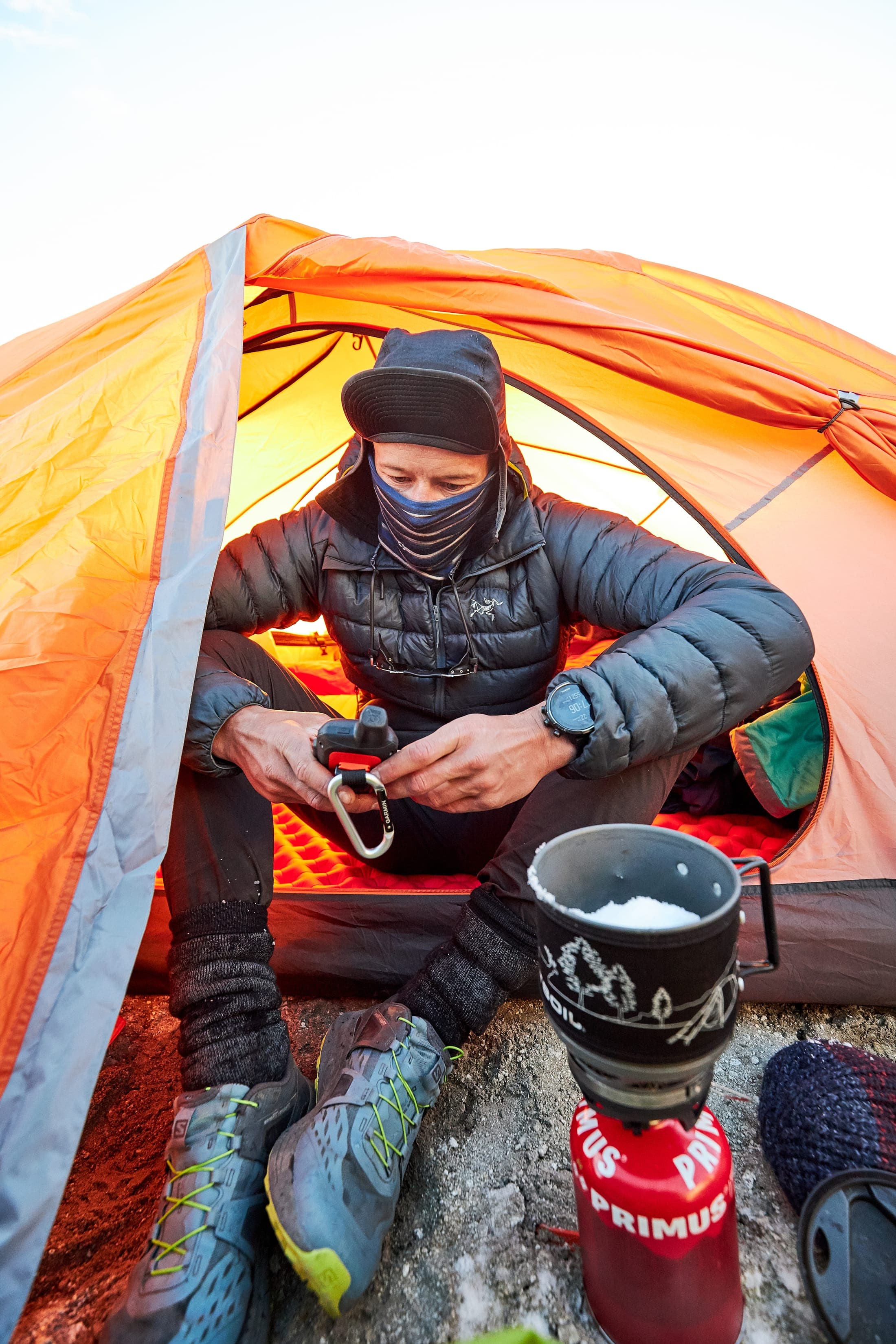
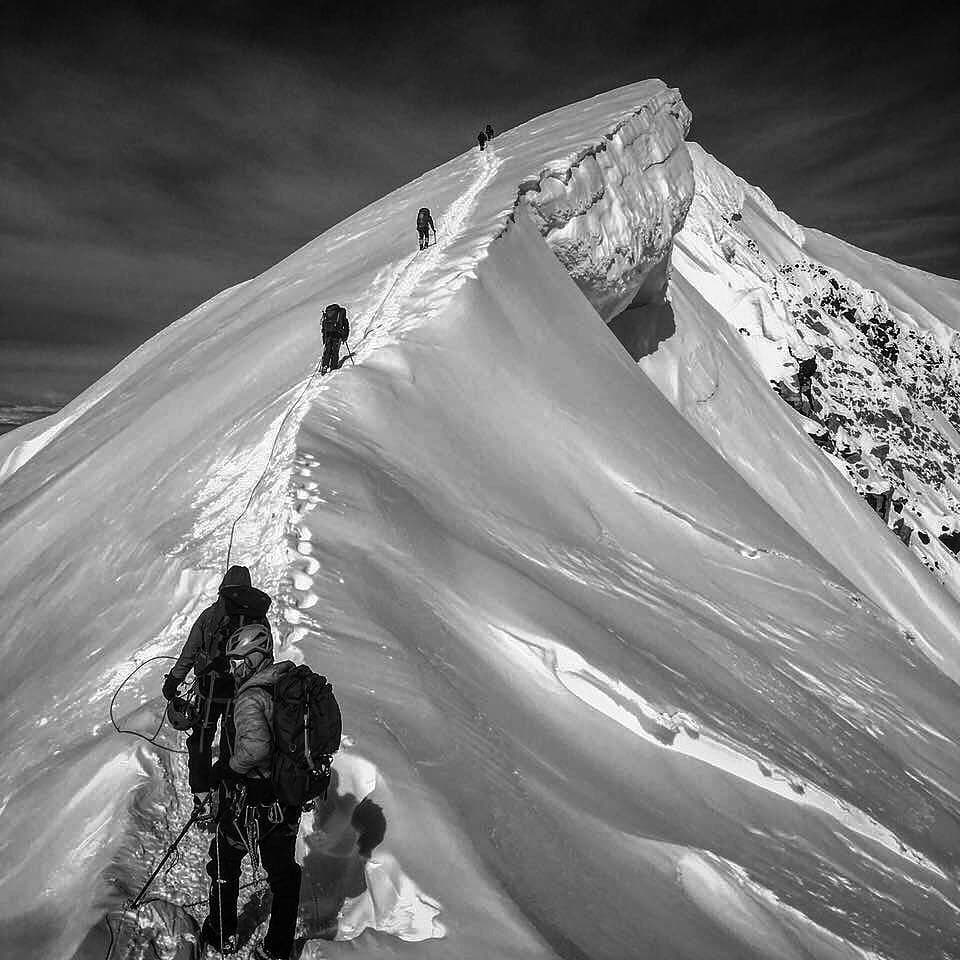
Expect long days, basic camping (there are few teahouses up high), and altitudes above 5,000 m. Come fit, come acclimatised, and come ready for one of the last genuinely wild treks left in the Himalaya.