The world's third-highest peak guards Nepal's far east — remote, restricted and gloriously uncrowded. Everything you need to plan the trek.
Why Kanchenjunga
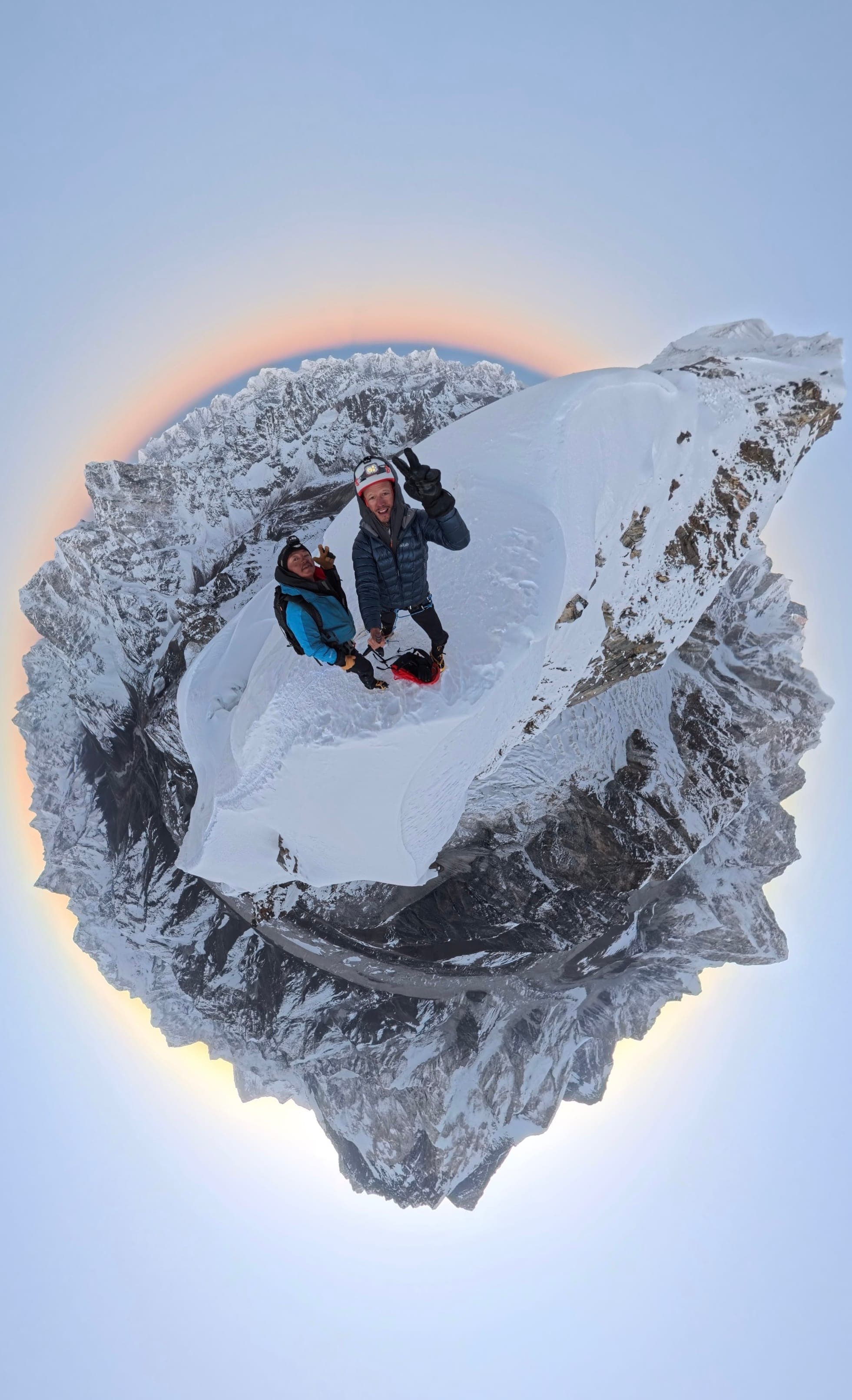
At 8,586 m, Kanchenjunga is the third-highest mountain on Earth and the highest in India's and Nepal's eastern Himalaya. Yet a fraction of the trekkers who queue for Everest Base Camp ever make it here. The reward for the extra effort is solitude, raw scenery and a corridor of villages largely untouched by mass tourism.
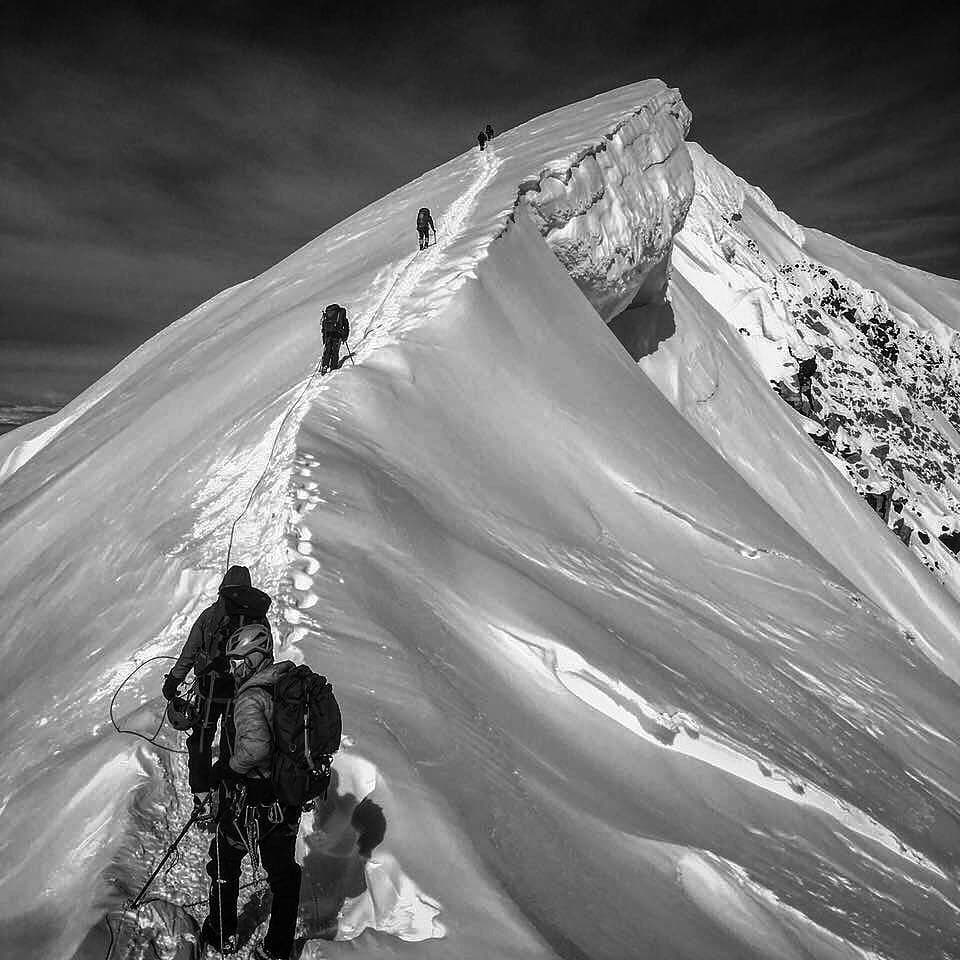
The trek threads through subtropical forest, terraced Limbu and Rai farmland, and finally up into glacial moraine beneath a wall of 7,000- and 8,000-metre peaks.
The route — north and south
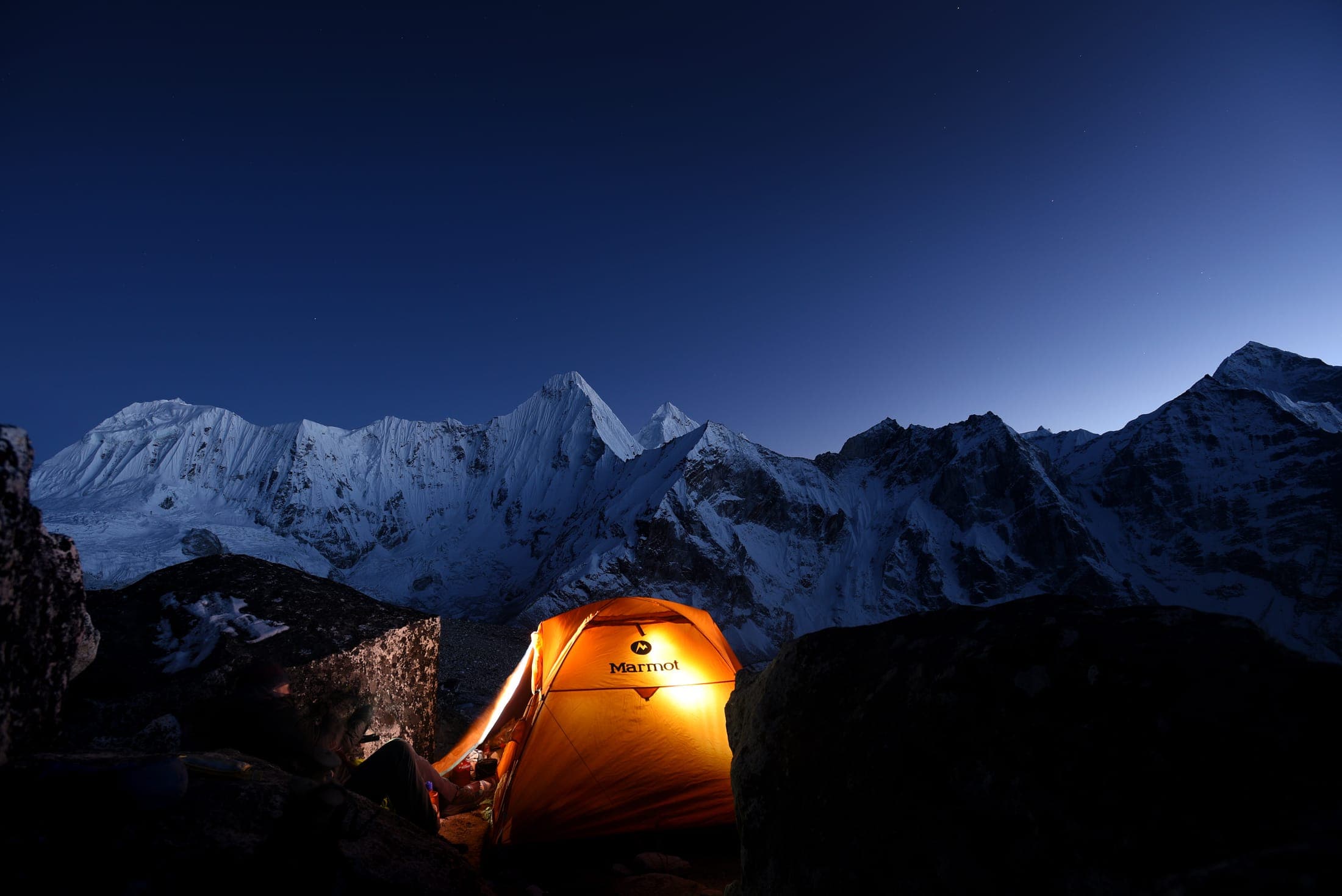
There are two base camps. Pangpema (North Base Camp, 5,143 m) sits beneath Kanchenjunga's vast north face; Oktang (South Base Camp) looks up at the Yalung Glacier. The classic circuit links both over the Sele La passes, making a full loop of roughly three weeks.
Most departures start from Taplejung after a flight to Bhadrapur. From there it's a steady, scenic build through Ghunsa and Khambachen before the final push to the moraine.
Fitness, altitude and timing
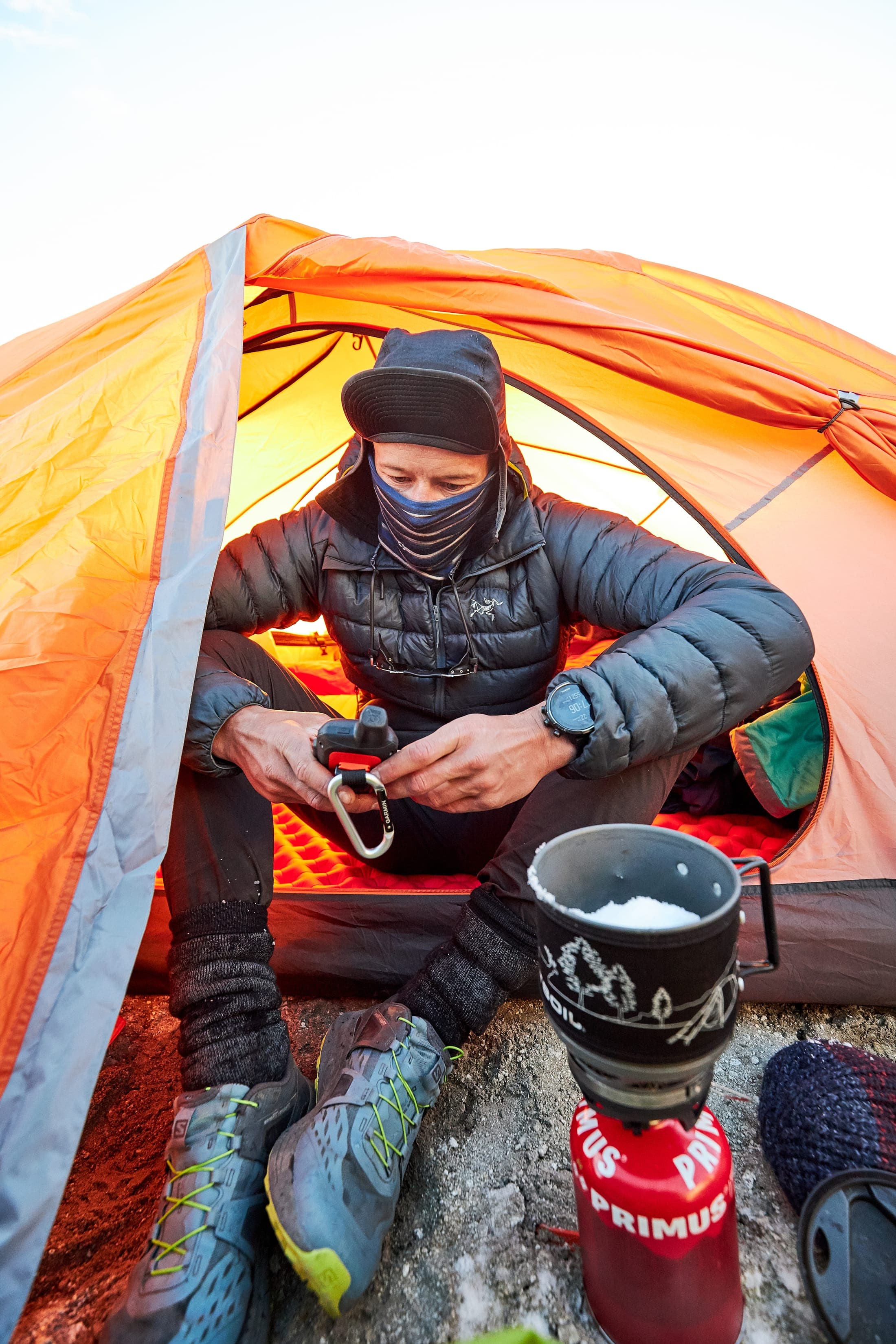
This is a committing trek — long days, real remoteness and limited evacuation options, so good fitness and proper acclimatisation matter. Kanchenjunga is a restricted area requiring a permit and a minimum of two trekkers with a registered guide.
Spring (March–May) brings rhododendron forests in bloom; autumn (October–November) delivers the clearest mountain views. We avoid the monsoon here — the eastern hills get the brunt of it.